




 VOLUME 29, ISSUE 4 • DECEMBER 2025.

The 2025 International Congress of Parkinson’s Disease and Movement Disorders took place in stunning Honolulu, Hawaii, bringing together clinicians, scientists, trainees, and allied health professionals from around the globe. Over several vibrant days, the meeting showcased the latest scientific advances, clinical innovations, and collaborative energy that define the International Parkinson and Movement Disorder Society (MDS).
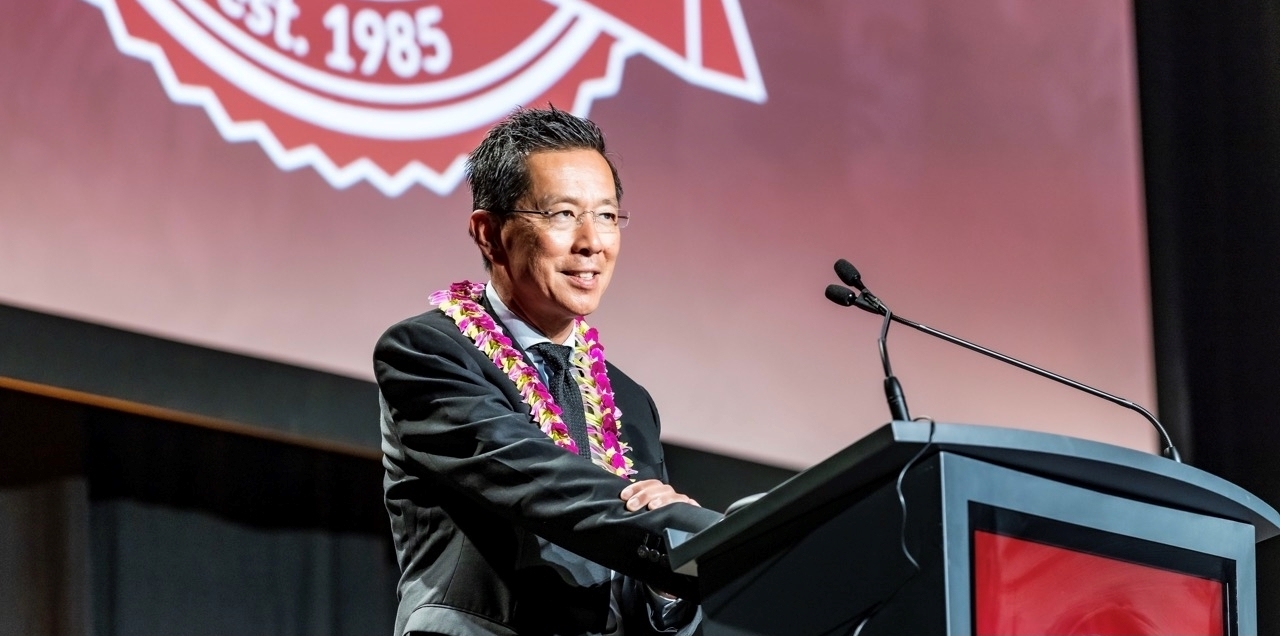
This year’s program highlighted the Society’s continued commitment to comprehensive, multidisciplinary patient-centered care. The opening therapeutic plenary placed Parkinson’s disease (PD) in a holistic context, emphasizing self-empowerment, lifestyle and diet, psychological interventions, and the growing importance of exercise as a disease-modifying strategy. The speakers discussed the role of rehabilitation, pharmacological management, device-based therapies, and the ongoing evolution of deep brain stimulation and focused ultrasound. A dedicated hyperkinetic disorders session rounded out the first day, covering tremor, myoclonus, and advancements in Huntington’s disease care.
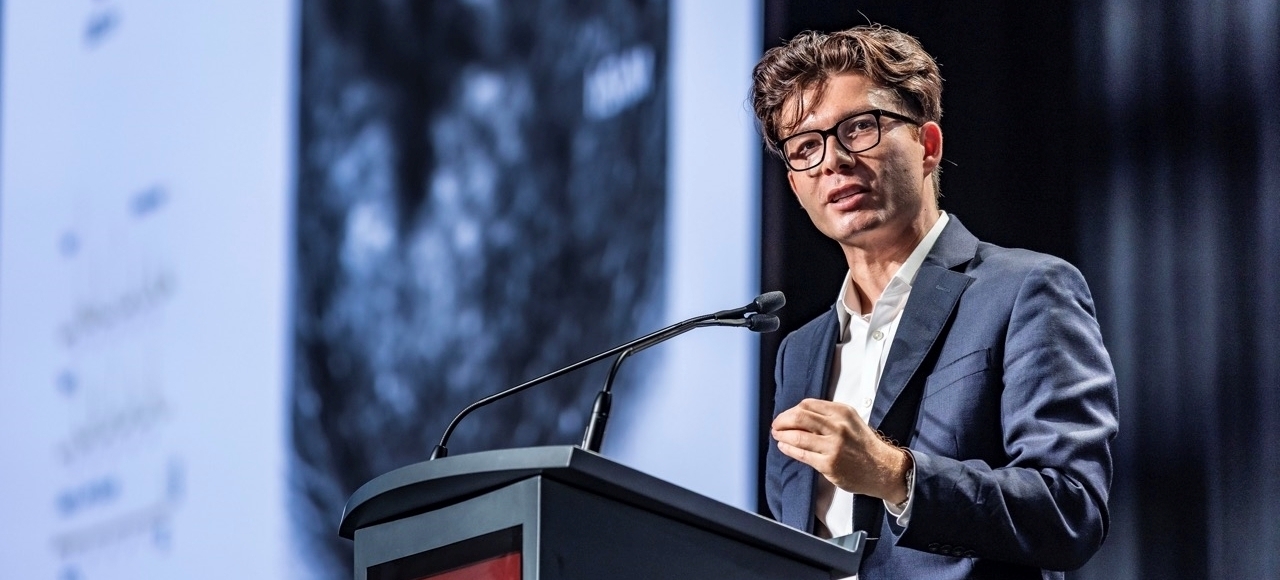
Clinical and translational advances were equally visible throughout the week. A keynote lecture by Prof. Sergiu P. Pasca showcased groundbreaking work using in vitro human brain organoids and “assembloid” models that recreate basal ganglia circuitry and neuronal electrical activity, offering new opportunities for modeling genetic movement disorders and testing future therapies.
Disease-modifying therapy development remains a central focus. An outstanding session reviewed the past, present, and future of attempts to slow PD progression, covering α-synuclein immunotherapies, genetic targets such as GBA1 and LRRK2, and pathways related to inflammation, mitochondrial health, and oxidative stress. The discussions emphasized the importance of diversity and generalizability in clinical trials, as well as the need for platform trial designs to accelerate, streamline, and reduce the cost of longitudinal testing.
Parallel sessions throughout the Congress offered a wide range of opportunities, from genetic testing and pediatric hyperkinetic disorders to neuroimaging updates, infection-related movement disorders, and practical workshops on topics such as botulinum toxin injections, case-based management of motor and non-motor fluctuations, functional movement disorders, and atypical parkinsonism.
At the MDS Pavilion — an interactive space designed to highlight MDS initiatives and provide a more informal setting — attendees engaged in a variety of short talks and live discussions. This included opportunities to meet journal editors, learn about ongoing Society projects, and explore practical clinical topics in a more relaxed environment, which many participants found particularly enriching.
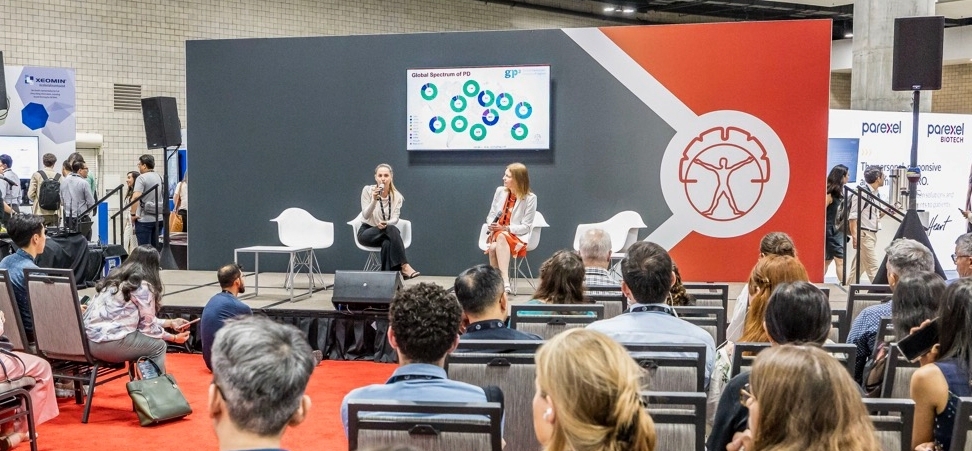
Beyond science, the International Congress placed a strong emphasis on community building. Networking events for young delegates, first-time attendees, women in movement disorders, and allied health professionals fostered meaningful connections and highlighted the Society’s commitment to inclusion, mentorship, and professional development.
Overall, the 2025 International Congress in Hawaii delivered a dynamic blend of cutting-edge research, clinical innovation, and global collaboration. As movement disorders continue to evolve, the annual MDS Congress remains an essential gathering for staying at the forefront of scientific discovery, clinical practice, and multidisciplinary care.
Read more Moving Along: