
 VOLUME 29, ISSUE 4 • DECEMBER 2025.

The two-day international course “Neuroimaging and Pathology Biomarkers in Parkinson’s Disease” in Milan on September 12-13, 2025, brought together more than 60 professionals from Italy and across Europe to explore cutting-edge research at the intersection of neuroimaging, molecular pathology, and clinical neuroscience in Parkinson’s disease (PD).
The event was co-chaired by Prof. Roberto Cilia (Fondazione IRCCS Istituto Neurologico Carlo Besta, Milan, Italy) and Prof. Thilo van Eimeren (University of Cologne, Germany) and endorsed by the International Parkinson and Movement Disorder Society (MDS) and the Fondazione IRCCS Istituto Neurologico Carlo Besta, Milan.
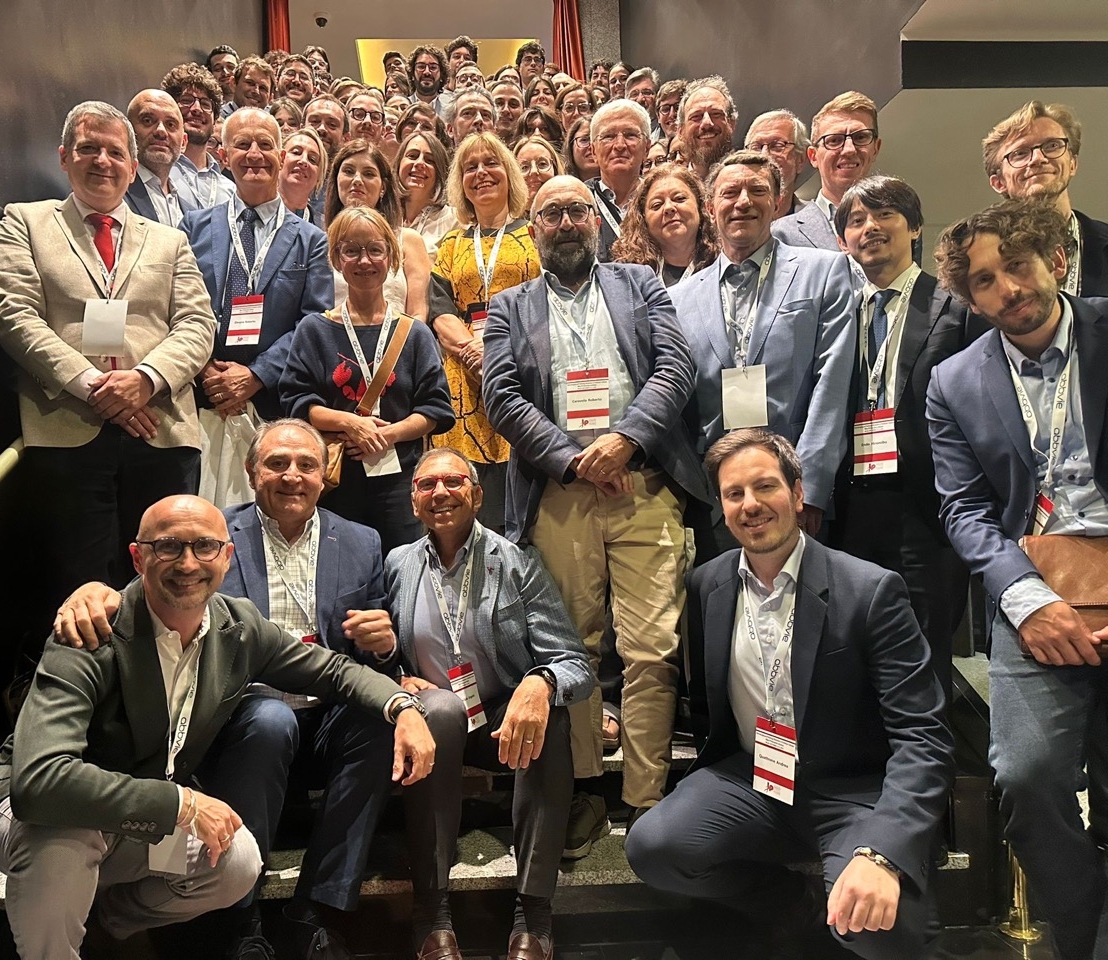
This event was coordinated in collaboration with the MDS Neuroimaging Study Group and was conceived as a comprehensive exploration of biomarkers that define, track, and potentially guide the treatment of PD, with a strong emphasis on both neurotransmitter imaging and neuropathological correlates. Across six structured sessions, the program led participants through an integrative journey — moving from molecular mechanisms to clinical applications.
Imaging Neurotransmitter Dysfunction in PD
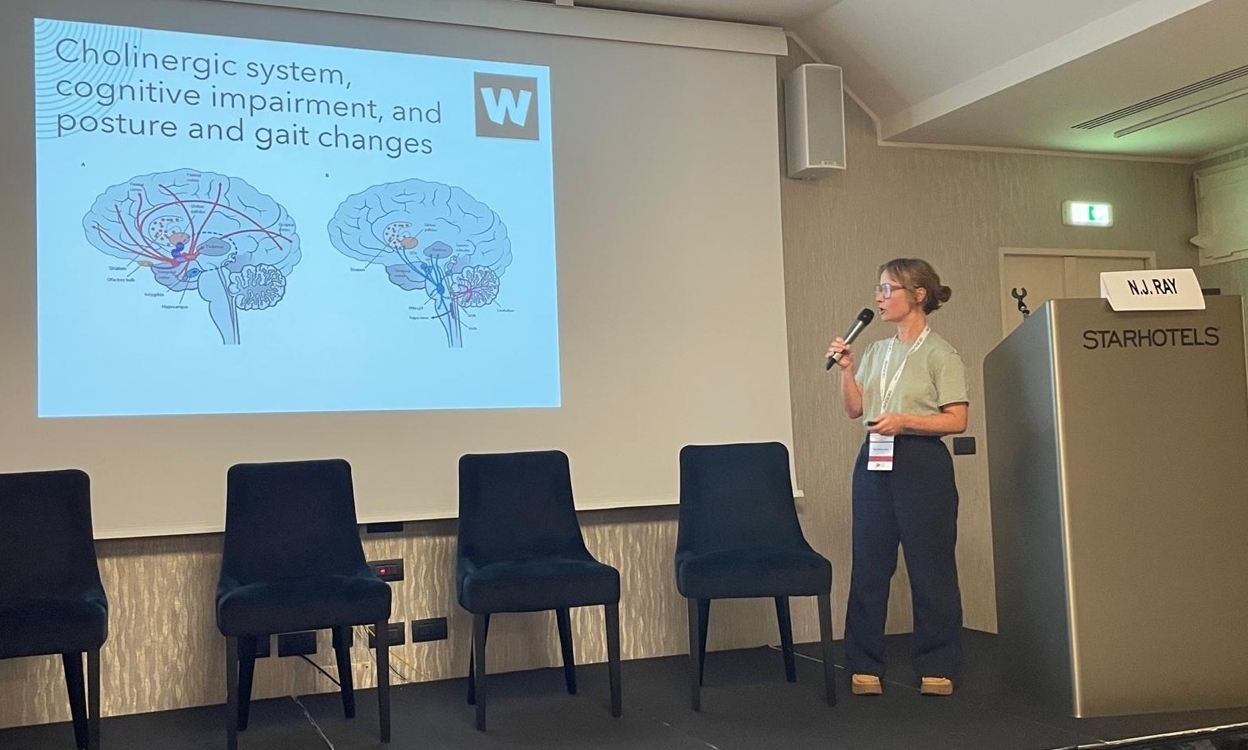
The first two sessions laid the foundational neurochemical framework, focusing on molecular and MRI imaging of key neurotransmitter systems involved in Parkinson’s disease. These included dopaminergic, noradrenergic, cholinergic, and serotonergic circuits, each of which plays a distinctive role in motor and non-motor symptomatology. Professors Roberto Ceravolo, Stephane Lehéricy, and Benedicte Ballanger discussed advances in imaging dopamine and noradrenaline dysfunction, including both PET and MRI-based biomarkers. The following segment, led by Jacob Horsager, Nicola Ray, and Nicola Pavese, expanded on cholinergic and serotonergic systems, presenting compelling evidence for their diagnostic and prognostic value in early and advanced PD. Notably, the imaging approaches discussed captured both structural integrity and synaptic dysfunction, providing a dynamic picture of neurotransmitter system involvement.

Molecular Imaging of Pathology
The third session shifted the focus to molecular imaging of pathological hallmarks, opening with the exciting development of the novel PET tracer for alpha-synuclein, presented by Prof. Hironobu Endo (Japan). This breakthrough represents a critical step toward in vivo visualization of synucleinopathies and could profoundly impact both diagnosis and therapeutic trials.

Prof. Thilo van Eimeren, Prof Angelo del Sole and Prof. Antonio Strafella contributed updates on imaging Tau pathology, amyloid burden, and neuroinflammation, respectively, bringing attention to their relevance in PD and co-existing pathologies. Together, these talks painted a rich picture of the molecular underpinnings of neurodegeneration and highlighted the interconnectedness of pathological processes.
Imaging Disease Progression and Atypical Parkinsonisms
The fourth session delved into imaging markers of disease progression and atypical Parkinsonian syndromes. Prof. Irena Rektorová presented data on cognitive impairment in PD, while Prof. Rosa De Micco introduced a connectomic, network-based perspective on disease staging, underscoring the potential of brain connectivity models in early diagnosis and progression tracking. Further talks explored the role of neuroimaging in optimizing deep brain stimulation (DBS) approaches (Prof. Martin M. Reich), and the differential imaging features of MSA and PSP (Prof. Andrea Quattrone), emphasizing the necessity of precision diagnostics in clinical decision-making.
From Pathology to Mechanisms and Models
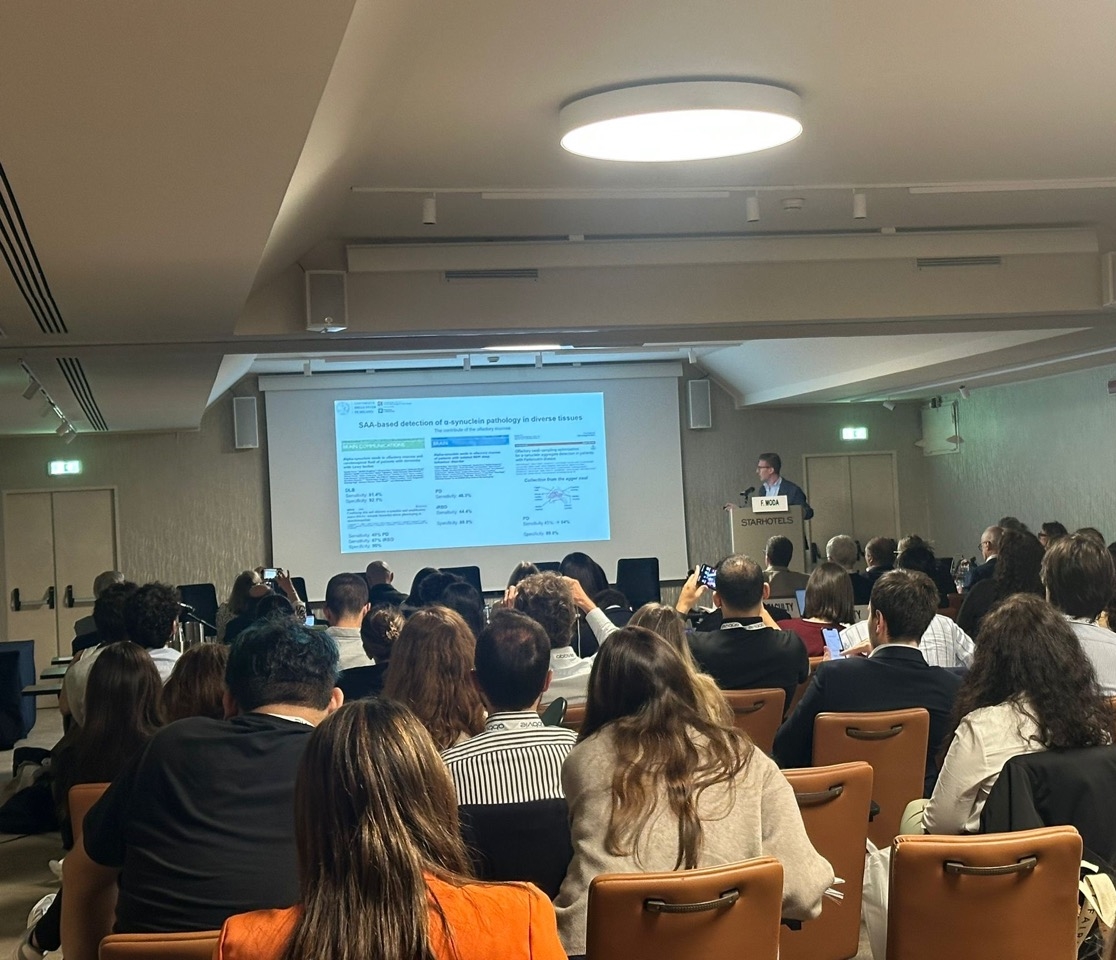
Session five expanded the role of neuropathology, deepening the discussion around alpha-synuclein physiology and pathology. Prof. Tiago Outeiro explored the new discoveries in physiology, pathophysiology, and translational potential of emerging therapies targeting alpha-synuclein, while Prof. Fabio Moda detailed the evolving role of seeding amplification assays, positioning them as potential game-changers in early diagnosis. The diagnostic power of skin biopsy as a minimally invasive tool was highlighted by Prof. M. Nolano, offering new avenues for accessible biomarker development. Finally, Prof. Laura Parkkinen discussed the impact of co-pathology on PD progression and elaborated on the “brain-first vs. body-first” model of disease spread, conceptually linking her perspective to earlier insights by Prof. Jacob Horsager.
Tracking Progression and Therapeutic Strategies
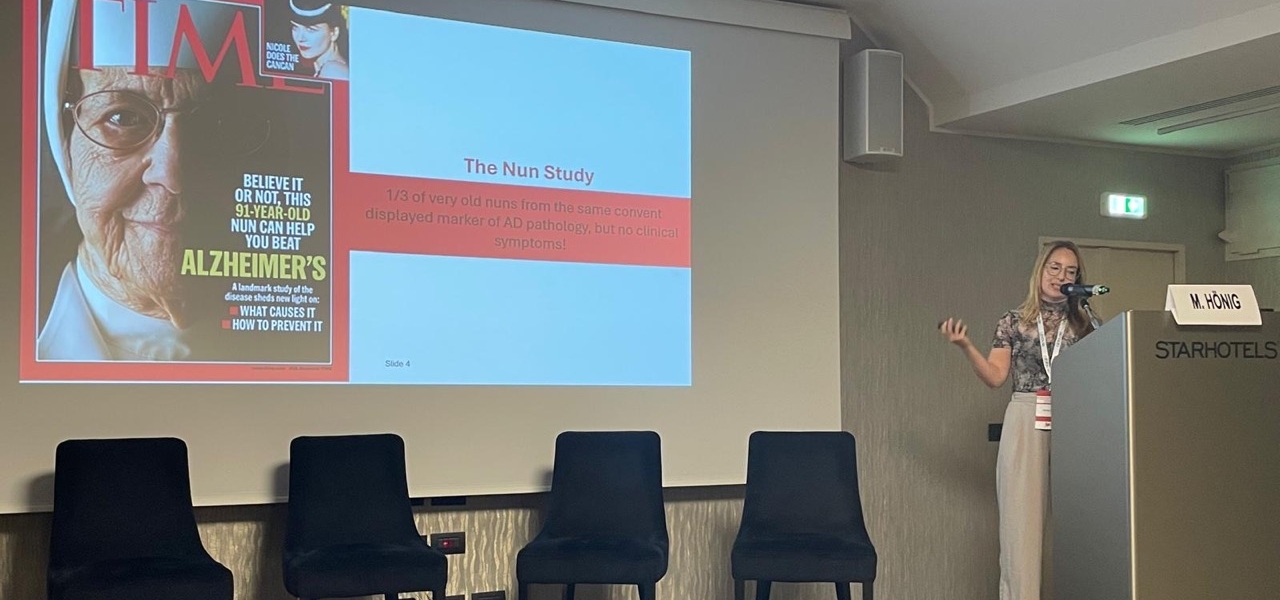
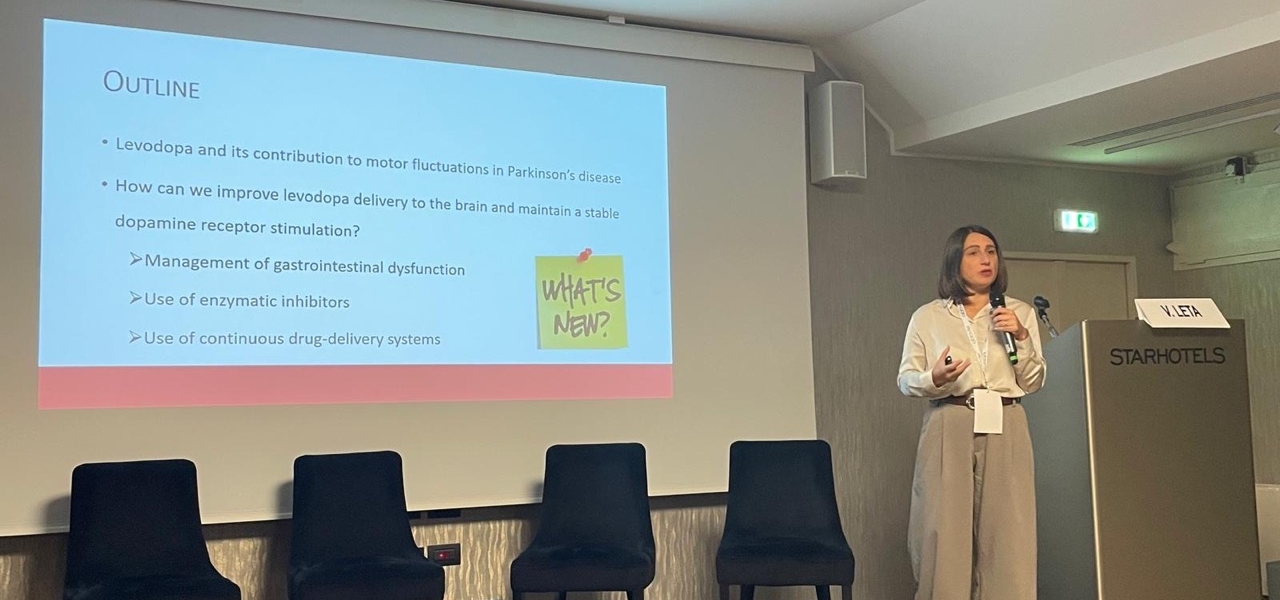
The final session, titled “Tracking the Progression of Parkinson’s Disease,” brought the course full circle — back to the patient. Prof. Dario Arnaldi opened with a deep dive into prodromal synucleinopathies, particularly the roles of sleep disturbances and glymphatic dysfunction in early-stage detection. Prof. Merle Hönig then introduced the concepts of motor and cognitive reserve, highlighting compensatory mechanisms that may modulate clinical expression despite pathological burden. The course concluded with clinically grounded insights into current pharmacological and surgical approaches to PD management, delivered by Dr. Valentina Leta and Prof. Alfonso Fasano.
Collaboration and Impact
Beyond the scientific content, the course served as a hub of collaboration, strengthening bonds among researchers, clinicians, and institutions. The international faculty and active participation from attendees across Europe underscored the global relevance of biomarker research in Parkinson’s disease.
By bridging basic science, clinical neurology, and translational imaging, the Milan course offered a unique space for learning, networking, and envisioning the future of Parkinson’s disease diagnostics and therapy.
Read more Moving Along: