
 VOLUME 29, ISSUE 4 • DECEMBER 2025.

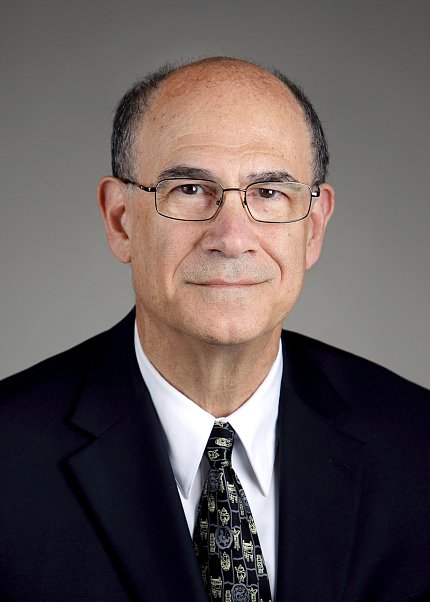
Dr. Mark Hallett passed away peacefully at his home on November 2, 2025 at the age of 82. He was born in Philadelphia in 1943. His father, Dr. Joseph W. Hallett, was an ophthalmologist. Mark obtained his medical degree from Havard Medical school, and interned at Peter Bent Brigham Hospital in Boston. In 1970, he did a two-year fellowship in neurophysiology and biophysics in the Laboratory of Neurobiology at the National Institute of Mental Health, which sparked his interest in motor control. He then completed neurology residency at the Massachusetts General Hospital. In 1975, he pursued a fellowship at the Institute of Psychiatry in London with his mentor Prof. C. David Marsden. In 1976, he became chief of the Clinical Neurophysiology Laboratory at Brigham and Women’s Hospital in Boston, and in 1984 he joined the National Institute of Neurological and Communicative Diseases and Stroke (now the National Institute of Neurological Disorders and Stroke, NINDS) as the Clinical Director and established the Human Motor Control Section. He retired from the NIH at the end of 2022, after 40 years of service at the NIH and 38 years at the NINDS. He held many important academic and administrative positions, including president of the International Parkinson and Movement Disorder Society, the International Federation of Clinical Neurophysiology, the American Association of Neuromuscular and Electrodiagnostic Medicine, vice-president of the American Academy of Neurology, and Editor-in-Chief of Clinical Neurophysiology. He was one of the founders and the inaugural president of the Functional Neurological Disorder Society.
Mark had a truly remarkable scientific career with over 1,200 scientific papers and H-index of 185. He had a unique ability to distill seemingly conflicting and diverse scientific information to a coherent explanation, as well as come up with important knowledge gaps and ways to address them. He was a world leader in the neurophysiology of movement disorders including dystonia, myoclonus, functional movement disorders, and Parkinson’s disease, and advanced our understanding of “free will.” He played a pivotal role in developing transcranial magnetic stimulation, especially repetitive TMS, as a non-invasive brain stimulation method for the investigation and treatment of neurological and psychiatric disorders. Perhaps an even greater contribution is that he trained more than 150 fellows. Many of them have become leaders in the field, department heads, hospital chiefs, and editors of major scientific journals. Thus, he trained a whole generation of clinicians, leaders, and researchers.
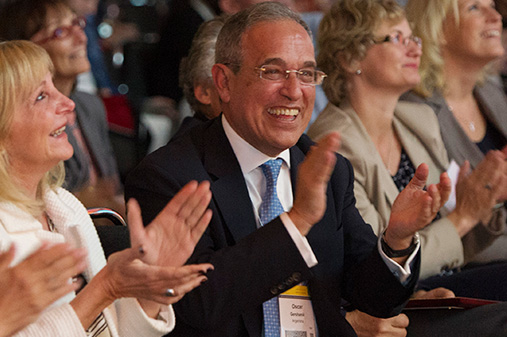
Mark was well-known to be kind and approachable, particularly to junior trainees in his group. Many of us were at a symposium at the NIH in December 2022 that celebrated his scientific accomplishments and his retirement. In the few weeks before his death, more than 100 former fellows and colleagues participated in online meetings with him. They shared their wonderful experience of his mentorship and friendship. He will be profoundly missed, but his remarkable legacy will continue.
Additional tributes will also be published the MDS journals.
Read more Moving Along: