


 VOLUME 29, ISSUE 4 • DECEMBER 2025.

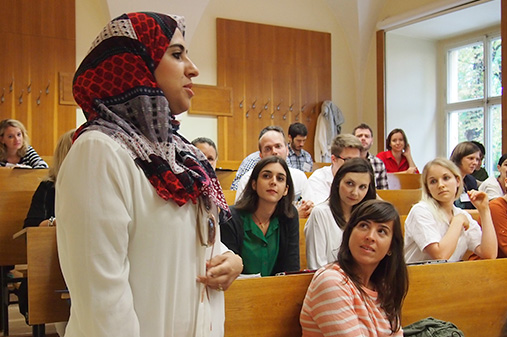
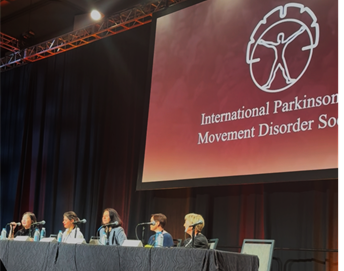
The 2025 MDS Congress in Honolulu started with an unusual plenary session entitled "Comprehensive Care in Parkinsonism: Beyond Medication," which was chaired by Dr. Ai Huey Tan, Malaysia, and Dr. Elina Tripoliti, Greece. The speakers presented a comprehensive, non-pharmacological approach to symptom management of Parkinson’s disease (PD) from its early through advanced stages. Practical recommendations on timing, dosage, and intensity of exercise and rehabilitation were also discussed. Parkinson’s disease is recognized globally as the fastest-growing neurological cause of disability, and it demands proactive and multidisciplinary intervention.
Historically, referrals in the context of PD occurred late, only once functional disability emerged. Those referrals were typically focused on compensatory strategies or movement strategies aimed at managing inevitable motor decline, rather than proactively seeking functional improvement via skill acquisition and motor learning. It is now recognized that PD is typically diagnosed following many years of preclinical progression. We’ve seen a powerful shift in how we approach PD management, moving decisively away from delayed rehabilitation models.
Dr. Michele Hu from the United Kingdom provided a comprehensive overview of PD and people’s self-empowerment. She also discussed the growing evidence for the effects of dietary and lifestyle interventions, as well as cognitive-behavioral therapy, on long-term outcomes in PD It is important that we, as a society, recognize that non-motor symptoms can significantly derail rehabilitation interventions and exercise goals.
Dr. Alice Nieuwboer from Belgium and Dr. Natalie Allen from Australia presented evidence-based research on rehabilitation and exercise in PD. The speakers focused on the symptomatic and disease-modifying effects of exercise and how to prescribe exercise in PD. The consensus among movement disorders experts is clear: Physiotherapy is not optional; it is a vital component of care that should be prescribed immediately upon a diagnosis of PD. This strategy, known as early secondary prevention, focuses on building functional capacity rather than simply compensating for lost function. Based on recent studies, the speakers agreed that a multifaceted or multimodal program incorporating intense aerobic exercise, strength exercise, flexibility, and motor-cognitive challenges is warranted. Aerobic exercise intensity has been shown in neuroprotective studies to be key to improve motor symptoms, the cause of PD.
While evidence strongly supports the importance of exercise for symptom management of PD, an exciting frontier is clarifying the optimal level of exercise and determining whether structured exercise can truly modify disease progression. It is crucial to personalize rehabilitation planning, including the optimal intensity, dose, and timing. Dr. Nieuwboer and Dr. Allen concluded that optimal physiotherapy is vital throughout every phase of the disease, from the initial diagnosis through to advanced stages. Physiotherapy guidelines for PD are increasingly being established, and neurological rehabilitation has been shown to enhance overall physical function and quality of life and to reduce fall risk. It is important for physiotherapists to assess both motor and non-motor symptoms and consider their influence on treatment choices and on the use of health behavior change techniques to improve exercise adherence. Compensatory strategies, such as external and internal cues, can also improve gait and balance in PD.
In conclusion, evidence strongly supports physiotherapy and exercise as critical components of PD symptom management. Future research should focus on strategies to improve long-term adherence and the optimal dose-response of physiotherapy and exercise. Follow-on are essential to determine whether rehabilitation merely offers symptomatic relief (delaying disability) or actually modifies the progression of the PD.
You can view the 2025 plenary session recordings through April 30, 2025.
Read more Moving Along: