



 VOLUME 29, ISSUE 4 • DECEMBER 2025.

Honorary Membership Award
The honor of being elected an Honorary Member of the International Parkinson and Movement Disorder Society

Being elected as an Honorary Member of the International Parkinson and Movement Disorder Society (MDS) represents one of the highest distinctions in my professional career I have received. It is both a personal recognition of my work in developing and validating clinical outcome assessments in movement disorders, and a reflection of the Society’s enduring commitment to inclusiveness, collaboration, and the advancement of care for people affected by movement disorders. This honor signifies not only my contribution to the understanding and treatment of movement disorders, but also the Society's core belief that meaningful progress in this field depends on the engagement of professionals across all healthcare disciplines.
From its inception, MDS has embraced an inclusive vision — one that transcends traditional academic or professional boundaries. While the Society’s foundation rests in neurology and neuroscience, it has long recognized that movement disorders cannot be fully understood or effectively managed by neurologists alone. The complexity of these conditions demands a multidisciplinary approach that integrates the expertise of clinicians, researchers, therapists, nurses, psychologists, and allied health professionals. This spirit of inclusivity ensures that every perspective contributing to improved patient outcomes is valued and heard.
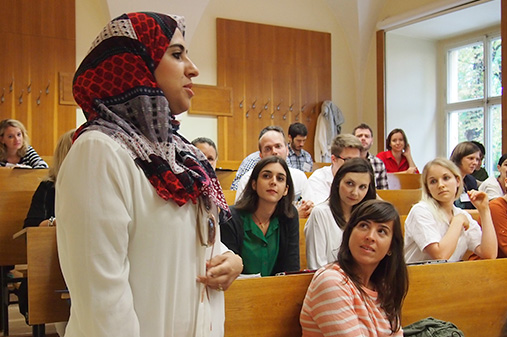
For many years, the MDS has actively encouraged participation from all members of the healthcare community. Physical and occupational therapists help patients maintain mobility and independence; speech-language pathologists address communication and swallowing challenges; neuropsychologists explore the cognitive and emotional aspects of disease; and nurses provide essential continuity of care and patient advocacy. Basic scientists and clinical researchers, working hand in hand with these professionals, translate discoveries at the bench into practical interventions at the bedside. The Society’s conferences, task forces, and committees intentionally bring together this diversity of thought and experience — creating an environment where every voice matters.
To be recognized as an Honorary Member, therefore, carries significance beyond individual achievement. It symbolizes alignment with the Society’s inclusive mission: The belief that the fight against movement disorders is a shared responsibility that spans disciplines, continents, and cultures. Honorary membership acknowledges those who have embodied this ethos — those whose careers have been marked by collaboration, mentorship, and a dedication to improving lives through collective effort. It also reflects the Society’s appreciation of global contributions, as movement disorders research and care thrive when informed by perspectives from different healthcare systems and cultural contexts.
This honor also serves as a reminder of the broader purpose that unites all members of the MDS community. Despite differences in training or professional focus, all who belong to the Society share a single goal: to alleviate the burden of movement disorders through research, education, and compassionate care. The Honorary Member becomes a symbol of this shared commitment, inspiring others to work together with openness and respect.
Ultimately, being elected an Honorary Member of the MDS is not only a recognition of my accomplishments, but also an invitation to continue serving this global community. It affirms the value of collaboration across professional lines and celebrates the collective progress that arises when inclusivity is practiced, not merely proclaimed. In honoring individuals, the MDS honors its own highest ideals — unity, diversity, and the unwavering pursuit of better care for all people living with movement disorders.
Read more Moving Along: