
 VOLUME 30, ISSUE 1 • March 2026. Full issue »

First Brazilian Movement Disorders Congress creates dedicated national forum
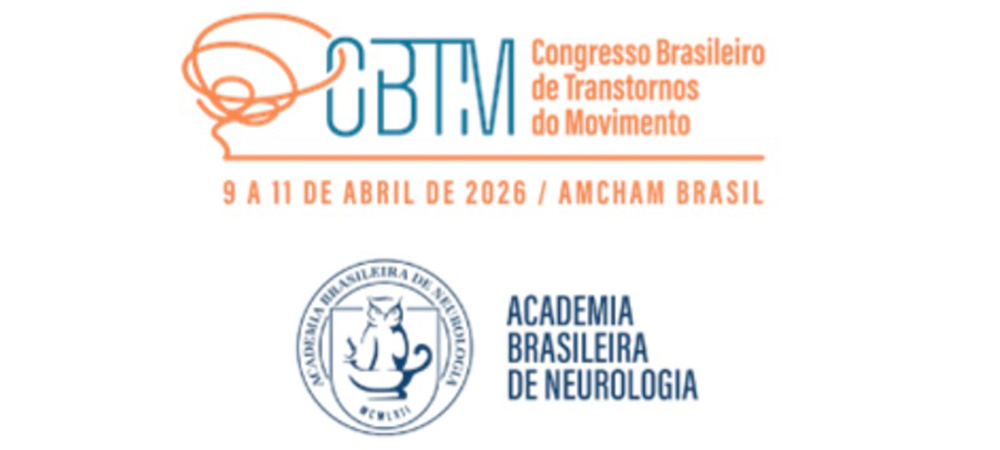
The Movement Disorders Scientific Department (Departamento Científico de Transtornos do Movimento, DCTM) of the Brazilian Academy of Neurology (ABN) is pleased to announce the first Brazilian Movement Disorders Congress (CBTM 2026) on April 9-11, 2026, at Amcham Brasil in São Paulo. Endorsed by the International Parkinson and Movement Disorder Society (MDS), CBTM 2026 represents a milestone for the subspecialty in Brazil and Latin America.
Brazil has a vibrant and growing community of movement disorders specialists, yet opportunities for focused exchange have been largely confined to sessions within larger neurology meetings. CBTM was conceived to fill that gap — a dedicated space where clinicians, researchers, and allied health professionals can discuss the full breadth of the field with the depth and interactivity that a subspecialty congress allows.
The three-day scientific program features plenary sessions, parallel symposia, hands-on workshops, case-based discussions, a video challenge, and a podcast recording session. Distinguished international guest Professor Alberto Espay (University of Cincinnati) will deliver lectures on the reconceptualization of Parkinson's disease pathogenesis and precision neurology approaches, alongside an enthusiastic roster of leading Brazilian experts.
Opening sessions address the forthcoming MDS clinical-biological framework for Parkinson's disease, initial and advanced-phase treatment strategies, non-motor symptoms, and the pipeline for disease-modifying therapies. Dedicated symposia explore dystonia classification and management, immune-mediated movement disorders, cerebellar ataxias from bedside to genetics, and advances in Huntington's disease therapeutics. Practical sessions focus on botulinum toxin techniques, deep brain stimulation programming, and the ongoing debate between DBS and focused ultrasound for refractory tremor. A session on neuroimaging methods rounds out the diagnostic toolkit, and a dedicated session on pediatric movement disorders reflects the growing recognition of this important area.
Beyond the formal program, CBTM aims to strengthen the national community. The video challenge provides a platform for trainees and early-career neurologists to present phenomenology cases before an expert panel, fostering the clinical observation skills that remain at the heart of the field. Poster sessions and informal interactions are designed to encourage networking and collaboration across the regions of a continental-sized country.
We are excited to welcome colleagues to São Paulo for what we hope will become a landmark event in the Brazilian movement disorders calendar — a statement that the field has come of age in Brazil and is ready for its own dedicated forum.
Read more Moving Along: