




Moving Along newsletter
March 2026 Vol. 30, Issue 1
MDS's quarterly newsletter, providing up-to-date information on new developments in the field of Movement Disorders, as well as MDS announcements and other news.

Top Story
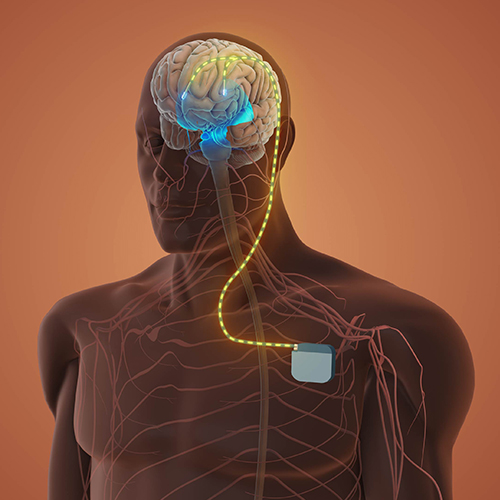
Interview: What ADAPT-PD trial results could mean for adaptive DBS
“To go from a place where these modes have never been deployed in the real world to having that high a percentage of people feel like it was acceptable, and some subset really feel like it improved their symptoms, to my view, was quite striking.”

Message from the MDS President
|


Scientific Updates
 Seminal reviews stress the dangers of swallowing problems in people with Parkinson’s disease
Two recent publications highlight the need for large, well-designed studies on links with medication intake, hospitalization, and aspiration pneumonia.
 Can low-dose carbon monoxide treat Parkinson’s disease?
Innovative LoCaMoTE-PD Phase 2A trial explores possible explanation for neuroprotective benefits of smoking.
 Tomatoes and Parkinson’s disease: An old hypothesis revisited
An originally tongue-in-cheek proposal may have been less far-fetched than originally thought.
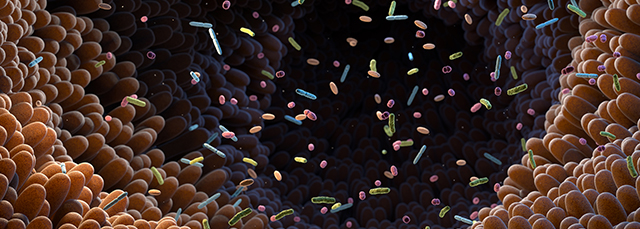 From patient to research: Exploring a four-strain probiotic's effects in Parkinson’s disease
SymPD trial findings suggest a four-strain probiotic can beneficially modulate gut microbiota, with potential downstream effects.
PAS Congress highlights
The 6th Pan American Section (PAS) Congress: Advancing movement disorders across the Americas
High-level scientific focus bridges gaps amongst diverse healthcare systems and research environments.

AI is just a tool, but it matters how we use it
Experts delve into how AI works, how our field has already incorporated it into clinical practice and research, and how it may be able to bridge the North-South gap.

Integrated care in movement disorders: Multidisciplinary models for better outcomes
Practical tools and approaches to address a ‘new era’ of PwP — and the real-world examples where they are already working.

Ataxia therapies: What works, what’s new, and what’s next
Ataxias remain among the most therapeutically frustrating disorders in neurology — but recent advances suggest a meaningful shift in the treatment landscape.

From mechanisms to management: Gait impairment in Parkinson’s disease
Experts overview the rapidly expanding landscape of tools to measure and manage gait, and how they may impact the future of treatment.
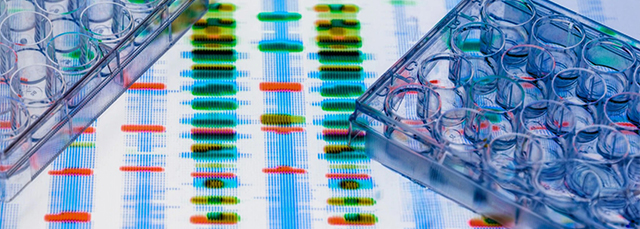
Genetic testing in movement disorders: Optimizing test selection and report interpretation
Experts discuss challenges, best practices, and what clinicians need to know.

How neuroimaging is rapidly transforming the diagnosis and treatment of Parkinson’s disease
Experts share how multimodal and alpha-synuclein imaging can offer deeper insights into subtle neurodegeneration across the disease spectrum.

Mentorship, momentum, and the meaning of leadership
2026 MDS-PAS Leadership Awardee dedicates the honor to the MDS community.
YMG paper highlights
 Deep brain stimulation in children and adolescents with ε-sarcoglycan myoclonus dystonia causes a sustained improvement in motor functionality and quality of life
Study demonstrates that DBS-GPi is functionally meaningful, producing a significant and sustained improvement in gross and fine motor function.
 Combined dysfunction of the amygdala and nucleus basalis underlies visual hallucinations in Parkinson's disease
Findings support network-based models proposing that visual hallucinations emerge from disrupted coordination between visual and attentional systems.
 RAB32-linked Parkinson's disease: Deep phenotyping, MDSGene literature review, and application of SynNeurGe criteria
Study provides the first evidence for misfolded α-synuclein pathology in PARK-RAB32.
Features
 A New Year’s wish carrying hope for the global Huntington’s disease community
Global families come together annually for “a prayer, a promise, a rebellion against despair.”
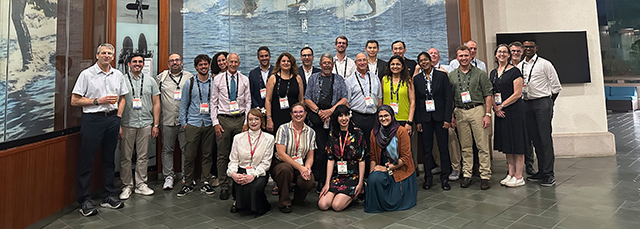 COAs: ‘The quiet engines behind almost every major advance in our field’
Discover how MDS’s many Clinical Outcome Assessment committees design meaningful measurements.
 Accelerating discovery in infection-related movement disorders
The MDS Infection-Related Movement Disorder Study Group continues ambitious collaborative output, including the development of a unified consensus framework and award-lauded paper.
 Uniting around the uncommon: MDS Study Group collaborates to advance our understanding of rare disorders
Rare Movement Disorders Study Group convenes for case conferences and research initiatives exploring global gaps and therapeutic options.
 Pediatric movement disorders at the forefront: New initiatives from the MDS Pediatric SIG
Discover what the MDS Special interest Group is offering for pediatric specialists, including monthly video case rounds.
 New resource: Working with underserved areas and marginalized populations
A collection of tools and articles to better understand and address the needs of a variety of underserved patients.
Event Highlights
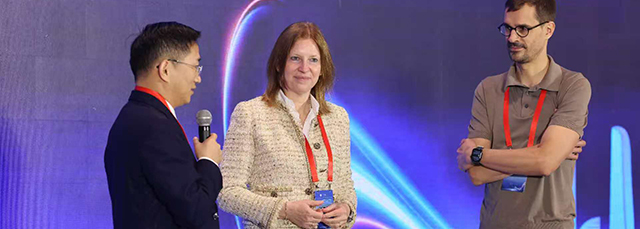 Primary brain calcification consensus released during undiagnosed movement disorders symposium in China
Publication provides a shared framework for clinicians and researchers to approach under-recognized radiological finding.
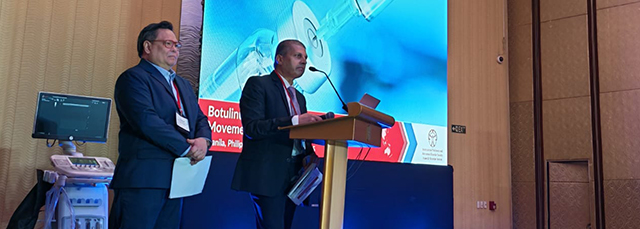 MDS-AOS offers hands-on instrument-guided botulinum toxin injection training in Manila, Philippines
100+ take part in essential opportunity to learn injection techniques and have direct interaction with the experts.
 MDS-PAS Genetics of Movement Disorders online course reaches 600+ participants
Live case discussions of challenging diagnoses facilitated diagnostic reasoning, with trainees contributing alongside expert faculty.
 First Brazilian Movement Disorders Congress creates dedicated national forum
Organizers say the event is “a statement that the field has come of age in Brazil and is ready for its own dedicated forum.”
 Help shape the first trials for the prevention of Parkinson’s disease
Join “Planning for Prevention of Parkinson’s and Related Synucleinopathies: A Trial Design Forum”.
|
|
Browse the Moving Along archives. |

Editorial Board

Katarzyna Smilowska, MD, PhD
Moving Along Editor (2023-2025)
Dr. Katarzyna Smilowska is a neurologist specializing in Movement Disorders at the 5th Regional Hospital in Sosnowiec, Poland. She has trained and conducted research at Radboud University Medical Center, Queen Square, and Christian-Albrechts University. She is actively engaged in international collaborations, serving on committees and task forces within MDS, as well as on committees and panels of the European Academy of Neurology.

Catalina Cerquera-Cleves, MD, MSc

Daniel G. Di Luca, MD

Shaimaa El-Jaafary, MD

Sergio Rodriguez-Quiroga, MD

Indu Subramanian, MD

Daniel Gams Massi, MD

Vikram Holla, MD, DM

Elie Matar, BSc(Adv), MD, PhD, FRACP

Vanessa Carvalho, MD