


 VOLUME 30, ISSUE 1 • March 2026. Full issue »

The 6th Pan American Section (PAS) Congress: Advancing movement disorders across the Americas
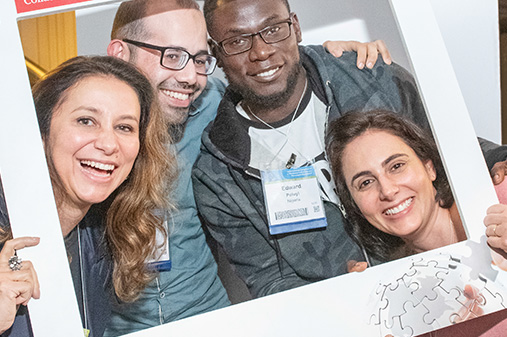
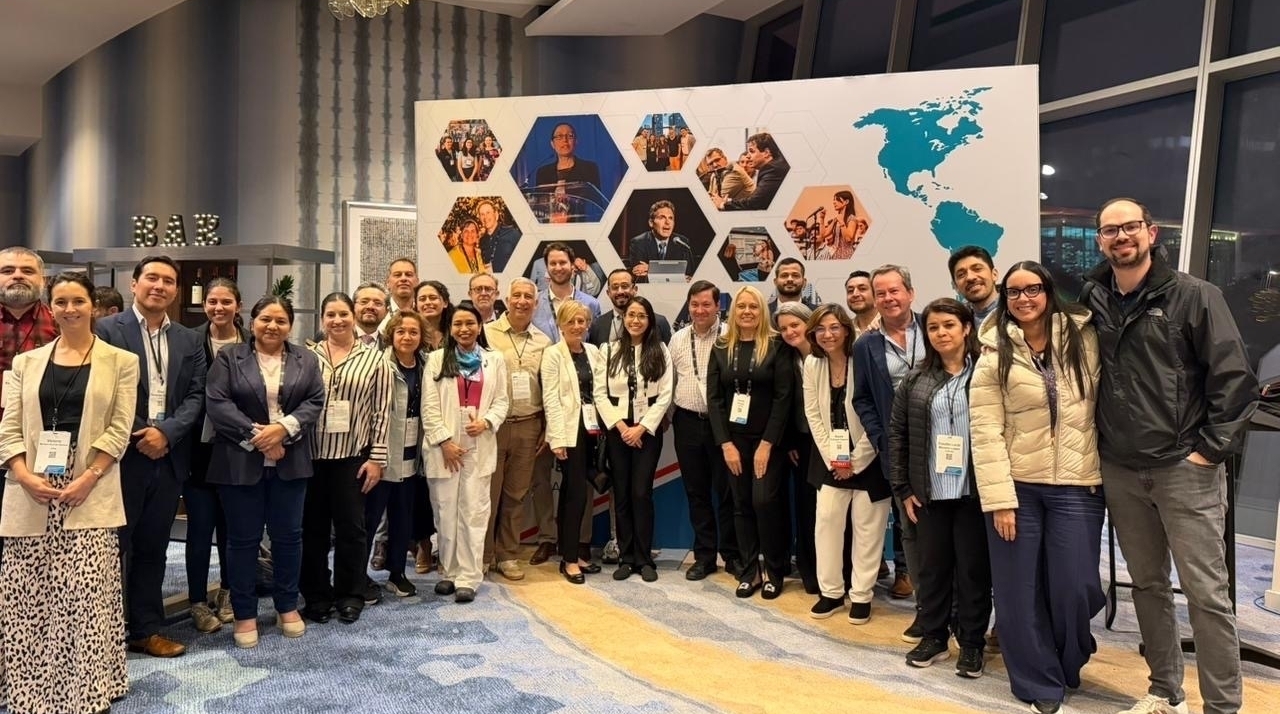
The 6th Pan American Section (PAS) Congress of the International Parkinson and Movement Disorder Society brought together clinicians, researchers, and trainees from across the Americas for an inspiring and highly engaging meeting in Houston, Texas. For many of us, the Congress represented not only an opportunity to share new scientific insights, but also a chance to reconnect with colleagues, build new collaborations, and strengthen the growing community dedicated to movement disorders throughout the region.
We were delighted to welcome approximately 500 participants from 23 countries, reflecting the remarkable engagement of the movement disorders community across North, Central, and South America. The scientific program included 18 accredited sessions and featured 64 distinguished faculty members, representing 10 countries. Through plenary lectures, scientific sessions, and interactive discussions, the meeting highlighted important advances in clinical care, translational research, and emerging therapeutic strategies.
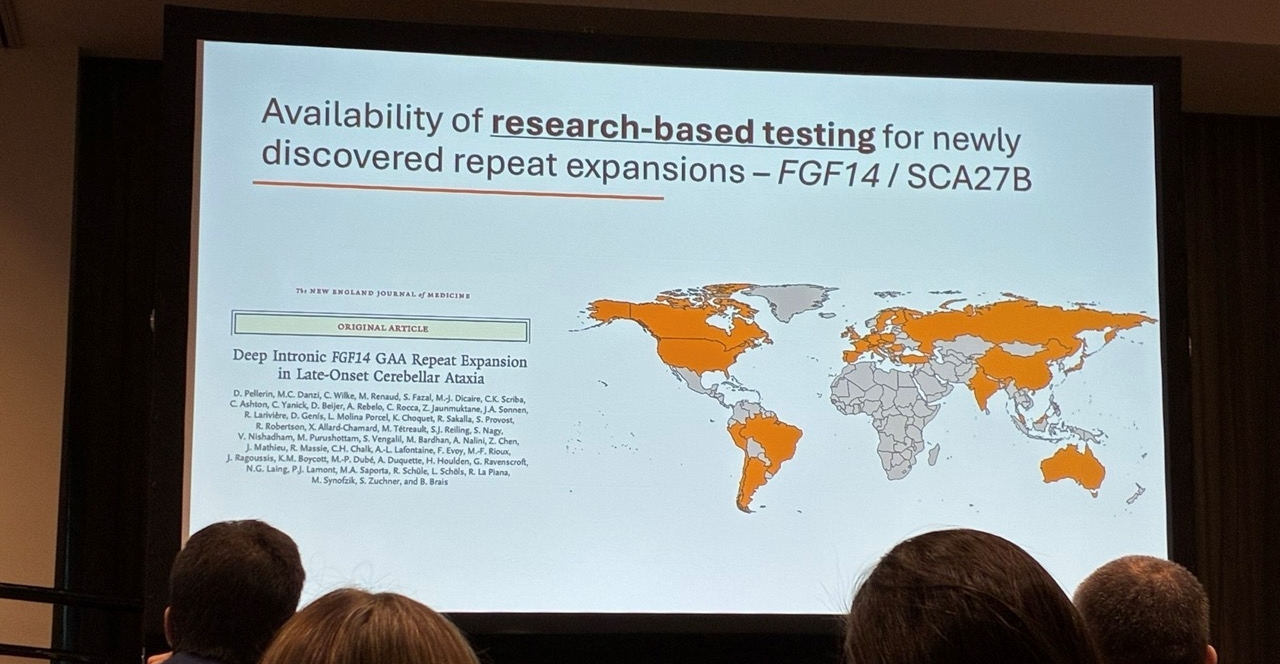
One aspect that stood out to me throughout the meeting was the consistently high scientific level across all sessions. The plenary presentations offered broad perspectives on developments shaping the future of movement disorders research and treatment, while the scientific sessions provided in-depth discussions on topics ranging from neurogenetics and biomarkers to innovative therapeutic strategies and multidisciplinary approaches to patient care.
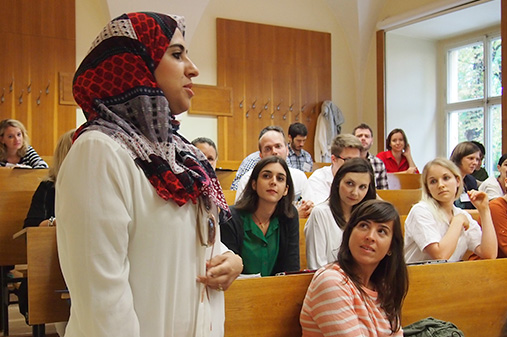
Some of the most memorable moments came from the interactive sessions. The Challenging Case MDS-PAS Video Rounds once again proved to be a highlight of the Congress, illustrating the enduring importance of careful clinical observation and thoughtful discussion in improving diagnostic accuracy and clinical reasoning. Through real-world cases and expert commentary, this session created a dynamic learning environment that resonated with both trainees and experienced clinicians.
The Controversies session also generated lively discussion, encouraging participants to explore different perspectives on complex and evolving topics in our field. These exchanges reflected the intellectual energy that characterized the meeting and reminded us of the importance of open dialogue as we translate emerging scientific knowledge into everyday clinical practice.
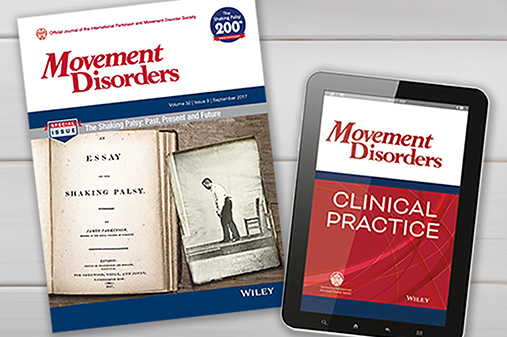
The Congress also served as an important platform for new research. A total of 214 abstracts were published in a supplement of Movement Disorders Clinical Practice, and 9 late-breaking abstracts were presented on the Congress website. All accepted abstracts were presented onsite in the poster hall, which became a vibrant space for scientific exchange, mentorship, and the beginning of new collaborations.
Beyond the scientific program, one of the most rewarding aspects of the Congress was witnessing the strengthening of connections across the Americas. Bringing together colleagues working in diverse healthcare systems and research environments helped bridge perspectives between North and South and reinforced our shared commitment to advancing knowledge and improving care for patients with movement disorders.
Serving as Chair of the PAS Congress Scientific Program Committee was truly an honor and a privilege. Together with a dedicated and talented committee, we worked to develop a program that was scientifically rigorous, educationally rich, and reflective of the diversity and dynamism of our field. The success of this Congress reflects the collaborative spirit of the PAS community and its ongoing dedication to research, education, and patient care throughout the Americas.
Looking ahead, we anticipate the next PAS Congress with great enthusiasm, confident that it will continue to foster collaboration, innovation, and scientific excellence in advancing the care of people with movement disorders across the Americas.
Read highlights from the scientific sessions: |
|
Read more Moving Along: