




 VOLUME 30, ISSUE 1 • March 2026. Full issue »

COAs: ‘The quiet engines behind almost every major advance in our field’
In Movement Disorders clinic and research, what we measure shapes what we discover. From tracking disease progression to showing whether a new therapy really works, clinical outcome assessments (COA) are the quiet engines behind almost every major advance in our field. These tools are the language we use to describe symptoms, disability, quality of life, and treatment response, in essence being able to measure all the dimensions related to different movement disorders.
When the tools are strong, everything built on them becomes stronger.
That is where the MDS COA Program comes in.
The name “COA Program” may sound unfamiliar, but if you have ever used the MDS-UPDRS, MDS-NMS, or any other MDS scale in clinic or research, you have already been working with what this program supports. The COA Program oversees how these tools are developed, tested, licensed, and updated. It also guides the creation of new measures as science and therapies evolve, provides training so scales are used reliably, and leads translation efforts to make these tools accessible around the world. Recently, the COA Program has started developing novel digital outcomes and also supports the electronic translation of existing instruments. In short, we work to ensure that MDS rating scales, questionnaires, and digital outcomes are strong, fair, and globally useful across a wide range of movement disorders.
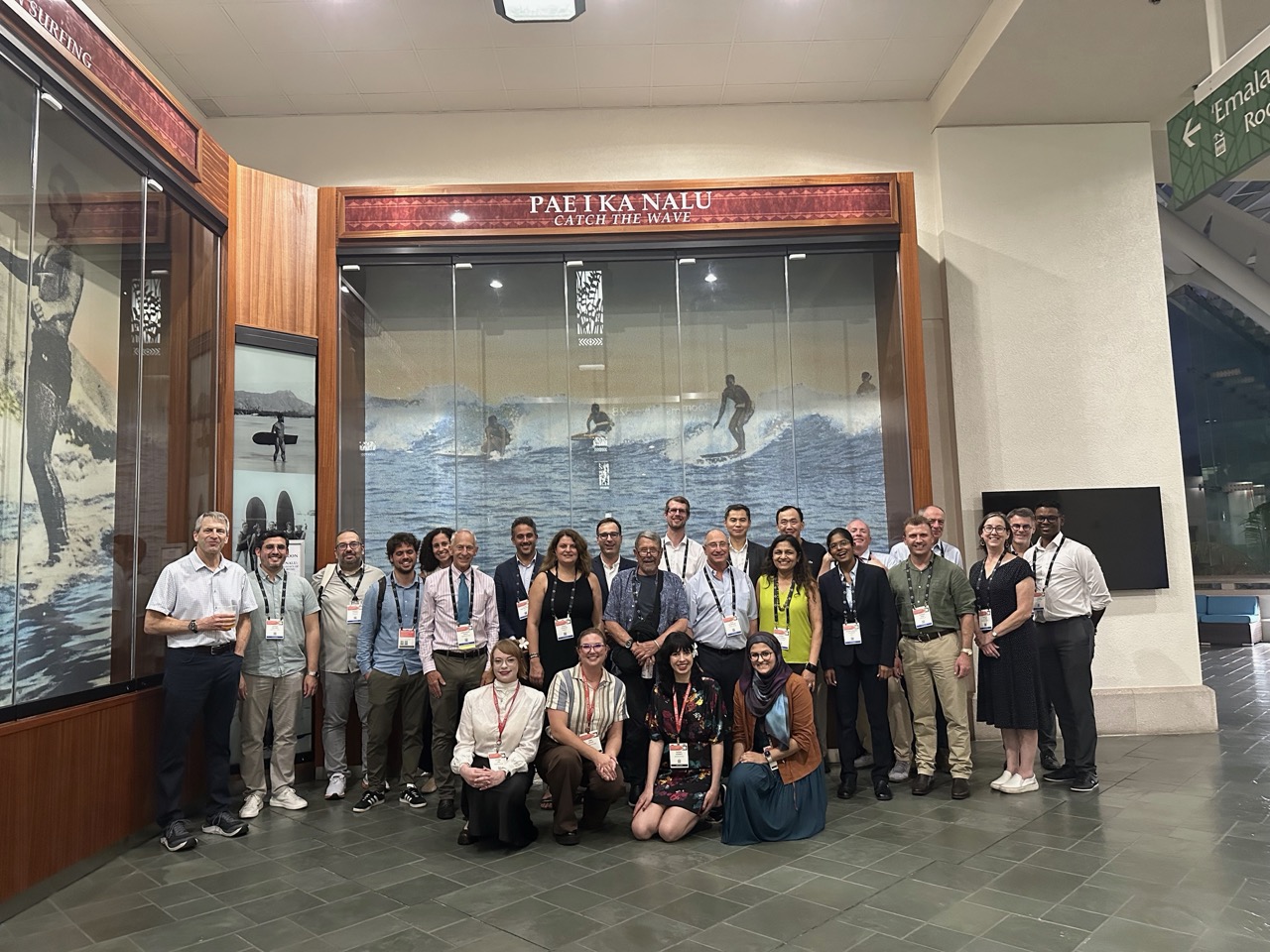
The program builds on the strong legacy established by many valued colleagues, including our giants in the field, Christopher Goetz, Glenn Stebbins, and Pablo Martinez-Martin, who have contributed to its development over the years. To support its broad mission, the COA Program brings together leadership, including specialized committees with members comprising a total of 190 colleagues. The MDS COA Program is currently led by Tiago Mestre and Álvaro Sanchez-Ferro as directors, with Rebecca Fuller and Matej Skorvanek as associate directors and Sheng Luo as statistical lead. Together with MDS staff, they coordinate the work of several committees focused on scientific evaluation, translation, education and training, and development of electronic scales.
One of the most visible and impactful parts of the COA Program is its global translation effort led by the COA Translation Steering Committee. MDS-owned rating scales are carefully translated and validated into many languages so patients can be assessed in their own words, not just in English. This is not just about convenience. It is about equity, better data, and better care. You can find the available translations on the MDS website and use them in your clinical practice or request permission to use them in your research studies. We also welcome applications to develop translations of the MDS-UPDRS, MDS-NMS, and UDysRS into additional languages.
The COA Scientific Evaluation Committee helps set standards for scale development, systematically reviews how COA are used across the field, and supports high-quality study design utilizing these tools. The COA Education and Training Committee leads rater training and certification programs so clinicians and researchers can use these tools consistently and confidently, so we can have cleaner data and more reliable clinical trials. The Electronic COA Committee is helping move traditional rating scales into digital and remote formats, opening the door to more flexible and patient-friendly ways of collecting data.
Everyone involved in the MDS COA Program shares a simple belief: If we want to improve the lives of people with movement disorders, we have to measure their experiences in ways that are accurate, meaningful, and fair across cultures and settings.
After all, better measures lead to better medicine — and that benefits all of us.
For questions about MDS-owned rating scales, reach out to ratingscales@movementdisorders.org.
To request permission to use a rating scale within your research study, submit a COA Permission Request Form:
Read more Moving Along: