


 VOLUME 30, ISSUE 2 • June 2026. Full issue »

My journey with the MDS Infection-Related Movement Disorders Study Group
My involvement with the field of infection-related movement disorders (IRMD) began during the early years of my career as a movement disorders neurologist. Coming from India, a region where infectious diseases remain a significant contributor to neurological morbidity, I frequently encountered patients whose movement disorders were directly or indirectly linked to infections. These cases were often diagnostically challenging, clinically fascinating, and, in many instances, underrepresented in the movement disorders literature. I was, therefore, instantly thrilled and simultaneously curious when the MDS announced the formation of the Infection-Related Movement Disorders Study Group in 2021. I found myself naturally drawn to a community of clinicians and researchers who shared a similar interest, and luckily, was initially able to serve as a member, and currently, I serve as a member of the steering committee.
What initially attracted me to the Study Group was the opportunity to learn from experts across different parts of the world. The spectrum of IRMD varies considerably across regions, and the Study Group provided a unique platform to exchange experiences, discuss unusual cases (through video case-based rounds), and appreciate both common and geographically distinct presentations. The collegiality and openness within the group made it easy for members across all levels of professional rank, including early-career members, to contribute and feel valued. Over time, I became increasingly involved in the Study Group’s activities, contributing to collaborative projects and educational initiatives. Some of our initial efforts were directed towards synthesising published literature on various IRMD, including SARS-CoV-2, HIV, dengue, and tuberculosis.

The group very quickly recognised a gap in the IRMD paradigm, which was a lack of uniform diagnostic criteria across clinical work and research publications. A subgroup, of which I was a part, was created to delineate a consensus diagnostic and classification scheme for IRMD, which could serve as a foundation for an objective diagnostic paradigm for these disorders. This was a challenging objective to tackle, and led to innumerable rounds of (sometimes very late night!) discussion and debate. Eventually, a consensus system was successfully created and published, and is in use and open for critical appraisal by peers.
Another project, which was particularly special to me, was dedicated to subacute sclerosing panencephalitis (SSPE), an enduring infectious complication of measles, prevalent in India and adjacent regions, and emerging as a concern in several other regions of the world. Movement disorders, including the signature ‘myoclonus with slow relaxation,’ though highly prevalent in SSPE, remain poorly understood. This work, designed as a systematic review, was led by myself (as first author) and Dr Charulata Sankhla (as senior author), alongside a dedicated review team. Hearteningly, this project was awarded the Movement Disorders Clinical Practice Best Review Paper for the year 2024-25, shining the spotlight on a fascinating yet devastating condition. I subsequently co-led a project that surveyed the contemporary understanding of MDS members with respect to IRMD, yielding valuable insights into current gaps and potential areas of focus in this field.
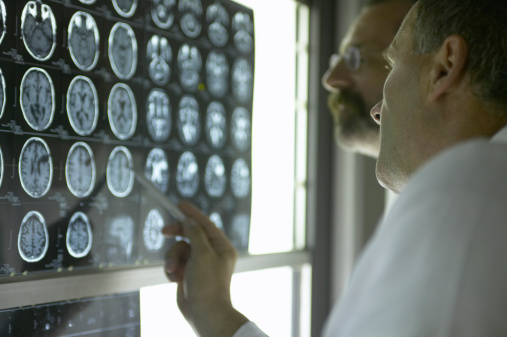
Currently, I am leading a project on neuroimaging aspects of IRMD, and co-leading another on Sydenham’s chorea. I am supporting several ongoing projects on movement disorders in herpes, influenza and parasitic infections as a project team member.
Participation in the Study Group has had a profound impact on my professional development. It has facilitated collaborations that have led to research projects, educational activities, and opportunities to contribute to the global conversation on IRMD. I was invited to speak on long-term outcomes and treatment aspects of IRMD at the World Congress of Neurology 2025 in Seoul, South Korea, where I could engage with international colleagues on this topic. It has also expanded my professional network, connecting me with mentors, peers, and future collaborators whose expertise extends far beyond my own areas of interest. Importantly, the Study Group has inspired me to lead initiatives aimed at strengthening research and education- closer home. I was entrusted in 2025 with chairing a special interest group of the Movement Disorders Society of India (MDSI) closely linked to this theme, the Consortium for Infection- and Immune-mediated Movement Disorders in India (CIIMDI).
One of the most rewarding aspects of being a member of the Study Group has been the opportunity to work alongside colleagues from diverse backgrounds and healthcare systems. These collaborations have broadened my perspective and reinforced the importance of international partnerships in addressing clinical and research questions that cannot be answered by a single centre or country alone. The Study Group exemplifies how collective effort can advance understanding of uncommon but important neurological disorders while fostering meaningful professional relationships.
For MDS members considering involvement in a Study Group, my advice is simple: participate actively and do not hesitate to contribute. Study Groups are among the most accessible ways to engage with colleagues who share your interests, regardless of your career stage. Attend meetings, volunteer for projects, propose projects, share your ideas, and be willing to learn from others. The connections you build and the opportunities that emerge can significantly shape your professional journey.
Looking back, joining the Infection-Related Movement Disorders Study Group has been one of the most enriching aspects of my involvement with the MDS. Ultimately, I am most grateful for the friendships, collaborations, and opportunities it has provided, and I look forward to continuing to contribute to this vibrant and growing community.
Learn more about the Infection-Related Movement Disorders Study Group:
Read more Moving Along: