





Clincial Clues
Leading specialists share uncommon diagnostic tricks
Differentiating movement disorders requires attention to subtle, often-overlooked details. Discover lesser-known insights that veteran clinicians have picked up through years of practice and careful observation.
Please wait while we gather your results.

Use hormonal cues to identify Parkinson's in women
Areas of Interest subtopics
- Parkinson's Disease (PD)

Recognizing shoulder stiffness to diagnose early Parkinson's disease
Areas of Interest subtopics
- Parkinson's Disease (PD)

Recognize two key clues for identifying Wilson's disease
Areas of Interest subtopics
- Genetic & Hereditary Disorders
- Rare/Uncommon Movement Disorders

Key vocal characteristics in MSA
Areas of Interest subtopics
- Multiple Systems Atrophy (MSA)
- Speech Disorders

Irregular movements to watch for in MSA
Areas of Interest subtopics
- Multiple Systems Atrophy (MSA)

A potential sign of Parkinson's disease before motor symptoms appear
Areas of Interest subtopics
- Parkinson's Disease (PD)
- Sleep Disorders
- Synucleinopathy

Abnormal eye movements that may indicate early PSP
Areas of Interest subtopics
- Progressive Supranuclear Palsy (PSP)

An often-misdiagnosed sign of Parkinson's disease
Areas of Interest subtopics
- Parkinson's Disease (PD)
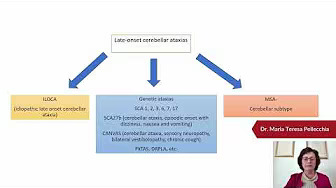
Differentiate between MSA-C and cerebellar and genetic ataxias
Areas of Interest subtopics
- Ataxias
- Multiple Systems Atrophy (MSA)

Differentiate PD and PSP based on cognitive function
Areas of Interest subtopics
- Cognitive impairment/Dementia
- Progressive Supranuclear Palsy (PSP)

Dystonic signs to watch for when identifying patients with MSA
Areas of Interest subtopics
- Multiple Systems Atrophy (MSA)

How dysphagia symptoms differ in patients with MSA
Areas of Interest subtopics
- Multiple Systems Atrophy (MSA)

How to recognize mirror movements in early PD
Areas of Interest subtopics
- Parkinson's Disease (PD)
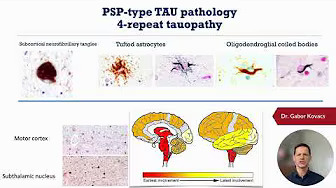
Imaging signs to consider when identifying PSP
Areas of Interest subtopics
- Neuroimaging
- Progressive Supranuclear Palsy (PSP)

Use arm swinging to identify Parkinson's disease
Areas of Interest subtopics
- Parkinson's Disease (PD)
More Clinical Resources
Explore the most up-to-date clinical guidelines, tools, courses, and more from MDS.