


Geographic Barriers
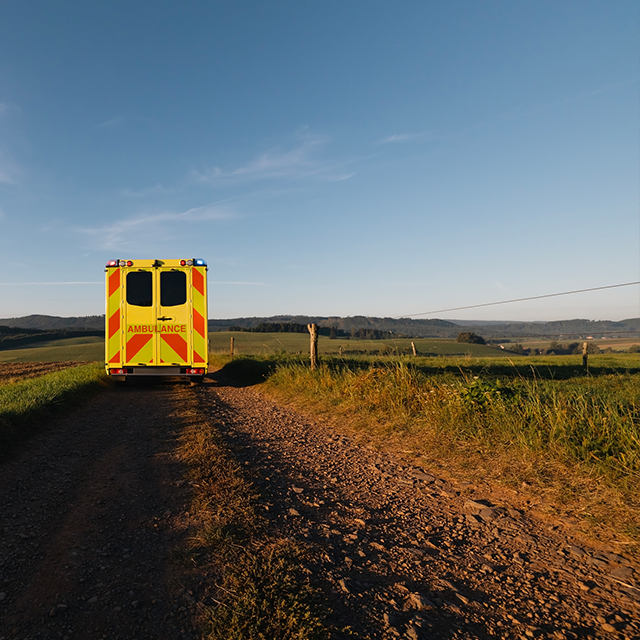
In rural areas, patients may have to trek far distances or across difficult terrain to access care, and often lack the transportation infrastructure to do so.
Tools: Telemedicine Resources
Learn more: About | Perspectives | MDS Initiatives
| Tools |
Tools » Telemedicine Resources
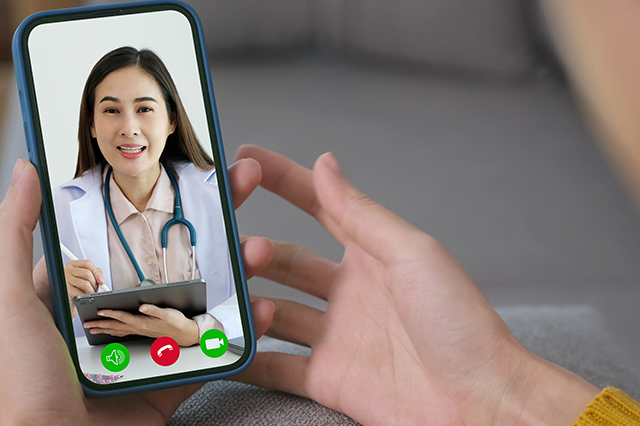
Details and resources to effectively manage patients remotely

| Learn more |
Learn more » About Geographic Disparities

* Article is free for MDS Members (No-fee membership available for residents of low-income countries and trainees) / ** Article access managed by an external organization
Learn more » Perspectives

Can we make a new diagnosis and treat Parkinson’s disease by telemedicine?
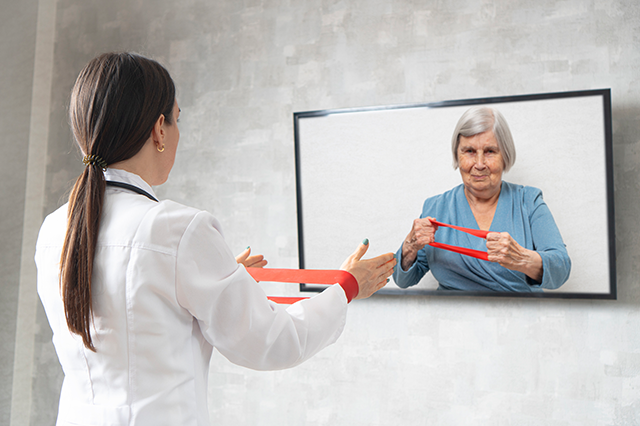
MDS Community Conversations: Telemedicine Use by Allied Health Professionals
MDS Community Conversations: Telemedicine Personal Experiences
Learn more » MDS Initiatives

Join - Open to all MDS Members: MDS Telemedicine Study Group, which conducts collaborative research on this topic.
The MDS Equality of Access to Care Committee is working broadly to make care more accessible globally
Related Topics
Rural areas often face an overall Lack of Resources, including Provider Shortages.
A more spread out population can make people less connected, contributing to Low Health Literacy. In some rural areas, communities are less exposed to diversity, which can also compound bias, Stigma, and other challenges for people whose Gender / Sex / Orientation or Race / Ethnicity differ from the local majority.
More Resources for Underserved Categories
Areas
- Lack of Resources
- Provider Shortages
- Environmental Exposure
- Geographic Barriers
- Dense Areas: Infection Spread
Populations
- Socioeconomic Status
- Gender / Sex / Orientation
- Race / Ethnicity
- Stigma
- Low Literacy
- Genetic Disparities
- Beliefs
- Rare and Understudied Diseases
Suggest a resource
Suggest additional resources for professionals working with underserved areas or populations.