





Lack of Resources
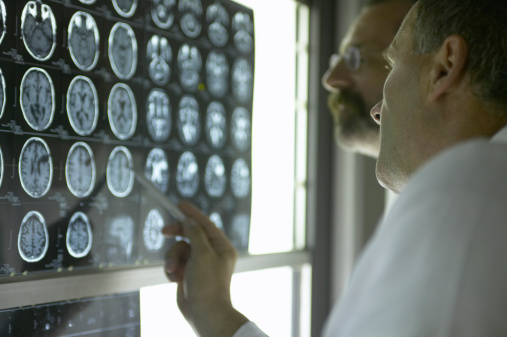
Access to basic medications for treating Parkinson's and other movement disorders is limited in many regions. Validated scales can help monitor motor and nonmotor symptoms. While advanced technologies represent the gold standard for diagnosis, simpler imaging tools like CT scans can provide important information when combined with clinical expertise.
Tools: Treatment | Diagnostic | Implementation | Clinical Care | Research Protocols
Learn more: About | Perspectives | MDS Initiatives

| Tools |
Tools » Treatment
Low-resource options to manage movement disorders and their symptoms
Medication Alternatives:
- Levodopa/Carbidopa: More affordable generic versions may be available
- Anticholinergics like trihexyphenidyl: Can help with dystonia.
- Amantadine: Can help with dyskinesia
- Tetrabenazine: For chorea associated with Huntington's disease; sometimes expensive, but can be sourced affordably.
- Antidepressants: Like fluoxetine or sertraline, for mood disorders
- Beta-blockers: Like propranolol, for managing tremors
Treatment Cost Comparisons: |
Non-Pharmacological Treatments & Multidisciplinary Care:

Physical Therapy

Psychology & Neuropsychology

Occupational Therapy

Nutritional

Speech Therapy
Tools » Diagnostic
Tools and guidance to help reach an accurate diagnosis with limited resources
Clinical Evaluation
Detailed history and physical examination: A thorough clinical assessment can often diagnose movement disorders without the need for expensive tests.



Basic Imaging & Laboratory Tests
- Blood Tests: To rule out other conditions that might mimic movement disorders (e.g., metabolic disorders, thyroid function tests).
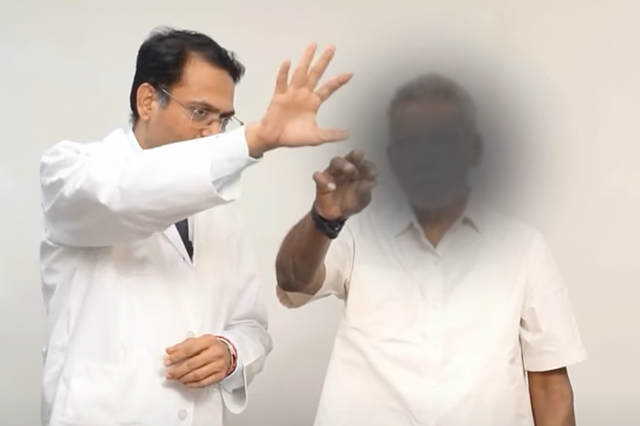
- Ultrasound: Transcranial ultrasound can sometimes aid Parkinson’s diagnosis where CT or MRI is not available but is not a reliable diagnostic tool.
- Portable EEG Devices: For diagnosing epilepsy and other conditions that might present with movement abnormalities. Using EEG to Identify Parkinson's Subtypes
Telemedicine Services


Tools » Implementation Strategies
Strategies to achieve more effective care when you lack resources
Partnerships
- Partner with local pharmaceutical companies to source generic medications at a lower cost.
- Seek support from non-governmental organizations and government health programs for subsidized medications and equipment.
Education: Health Professionals
Implement continuous medical education programs for healthcare providers to update them on the latest low-cost management techniques for movement disorders.
Education: Public Awareness
Conduct community awareness programs to educate the public about movement disorders, encouraging early intervention.
Tools » Clinical Care
Selected research about how to provide effective care with few resources

Serving areas with low access medication:
- Parkinson's disease-associated dyskinesia in countries with low access to levodopa-sparing regimens*
- Can Continuous Levodopa Delivery Be Achieved in the Absence of Intrajejunal Levodopa Infusion? Implications for India and Underserved Countries
Surgical technology:
Multidisciplinary treatment:
Tools » Research Protocols
Papers about how to improve research in areas with low access
* Article is free for MDS Members (No-fee membership available for residents of low-income countries and trainees) / ** Article access managed by an external organization
| Learn more |
Learn more » About Access Disparities
Articles about the prevalence and challenges of areas with a lack of access to medical resources
Research Articles:
Genetic testing disparities
- Lack of information and access to advanced treatment for Parkinson's disease patients
- Genetic Testing for Parkinson's Disease and Movement Disorders in Less Privileged Areas: Barriers and Opportunities
Medication access disparities
- Difficulties of Access to Diagnostic Methods and Therapies in Movement Disorders: A Call to Action
- The Dark Side of Globalization: Lack of Universal Levodopa Availability
- Mapping the selection, availability, price and affordability of essential medicines for mental health conditions at a global level
Surgical disparities
- Radiofrequency Ablation: How to Ensure Worldwide Availability of Surgery for Parkinson's Disease*
- Disparities in access to deep brain stimulation surgery for Parkinson disease: interaction between African American race and Medicaid use
- Trends and disparities in deep brain stimulation utilization in the United States: a Nationwide Inpatient Sample analysis from 1993 to 2017
- A systematic review of health disparities research in deep brain stimulation surgery for Parkinson's disease
- Disparities in Access to Deep Brain Stimulation for Parkinson's Disease and Proposed Interventions: A Literature Review
* Article is free for MDS Members (No-fee membership available for residents of low-income countries and trainees) / ** Article access managed by an external organization
Learn more » Perspectives
|
 If you’re working in a place where you don’t have access to a lot of technology, the reliance on clinical case ascertainment in movement disorders is a huge plus.” If you’re working in a place where you don’t have access to a lot of technology, the reliance on clinical case ascertainment in movement disorders is a huge plus.”
|


Can technology meet diverse needs equitably?

Improving access to Parkinson’s medications in underserved regions of Ethiopia

Off Label Prescribing of Disease-Modifying Therapies Under Investigation: Balancing Uncertain Risks and Benefits

Can we make a new diagnosis and treat Parkinson’s disease by telemedicine?
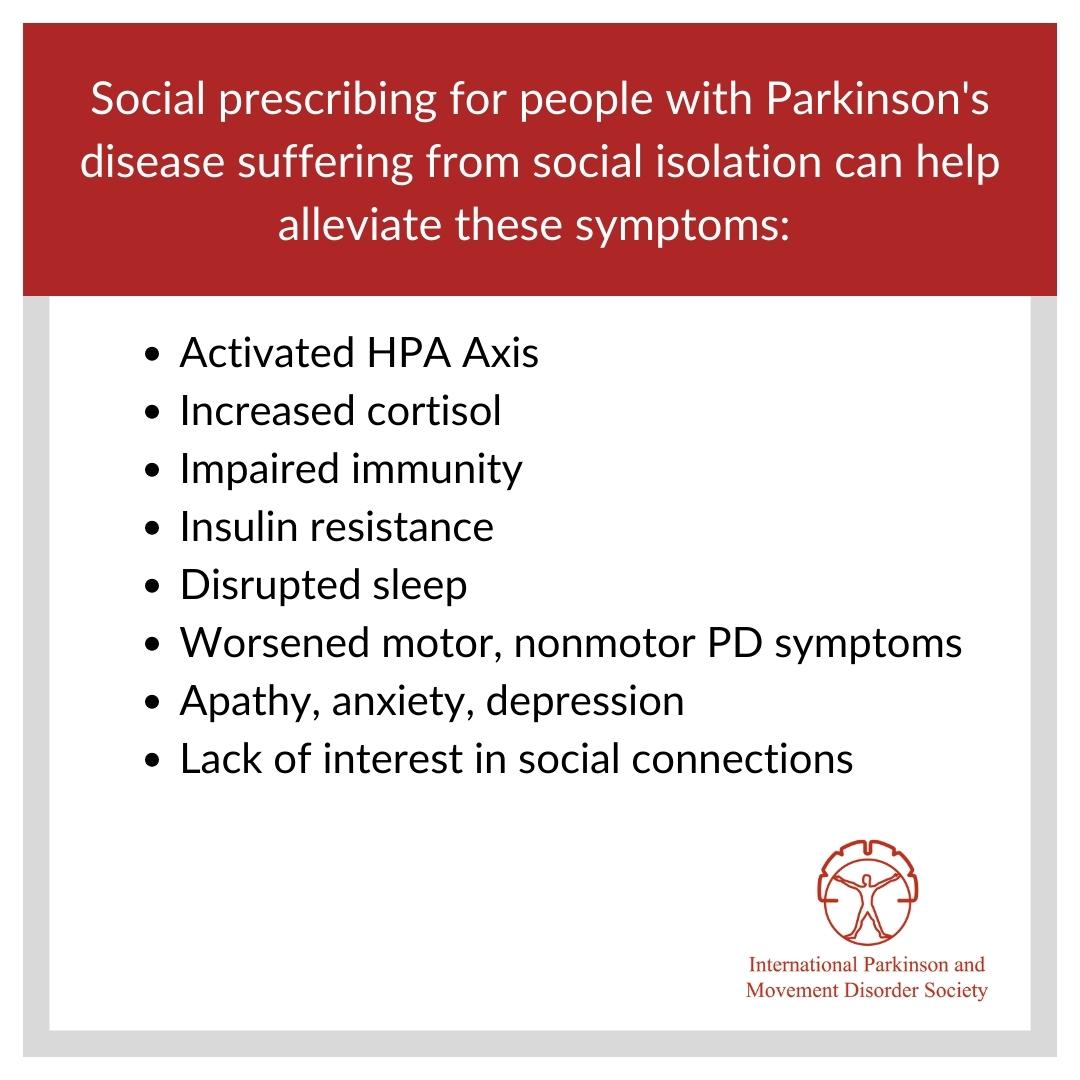
Social prescribing in Parkinson's disease
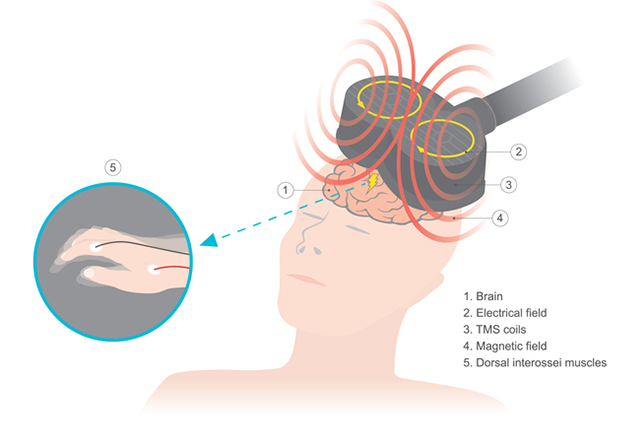
Non-Invasive Brain Stimulation for Parkinson’s Disease

β2-Adrenoreceptor Agonists and Antagonists and Parkinson’s Disease
Learn more » MDS Initiatives
 The MDS Equality of Access to Care Committee is working with the WHO and other global organizations to make critical medications like levodopa more accessible globally
More Resources for Underserved Categories
Areas
- Lack of Resources
- Provider Shortages
- Environmental Exposure
- Geographic Barriers
- Dense Areas: Infection Spread
Populations
- Socioeconomic Status
- Gender / Sex / Orientation
- Race / Ethnicity
- Stigma
- Low Literacy
- Genetic Disparities
- Beliefs
- Rare and Understudied Diseases
Suggest a resource
Suggest additional resources for professionals working with underserved areas or populations.